The Future of Executive Assistance is AI
How artificial intelligence is transforming the role of executive assistants and empowering professionals to do more.
Harsh Patel
Author
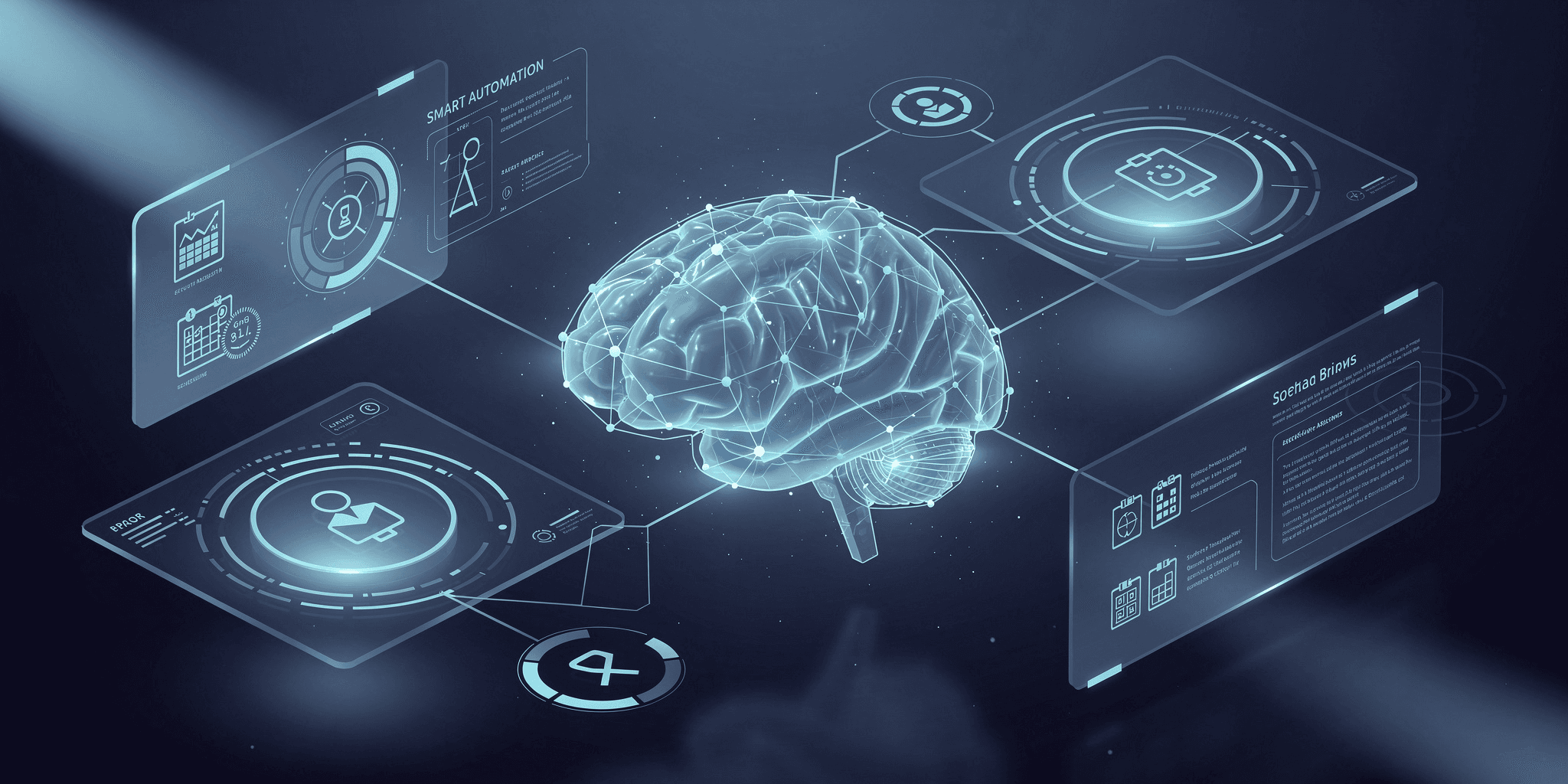
Picture this: It's 3 AM, and your inbox just received an urgent request from a client in Tokyo. Your AI assistant has already drafted a response, scheduled a follow-up meeting that works for everyone across three time zones, and prepared a briefing document—all before your morning coffee.
This isn't science fiction. This is the reality of AI-powered executive assistance in 2025.
The Evolution of Executive Support
For decades, executive assistants have been the unsung heroes of the corporate world. They've managed impossible calendars, screened endless calls, and somehow kept everything running smoothly behind the scenes. But here's the truth: even the best human assistant has limits.
They need sleep. They can only be in one place at a time. And they can't instantly recall every email from the past five years.
Enter artificial intelligence—not as a replacement, but as a revolutionary upgrade to human capability.
"The best AI doesn't replace human judgment—it amplifies it by handling the repetitive tasks that drain our energy and creativity."
What Makes AI Assistants Different?
Modern AI executive assistants like EA Flow aren't just fancy chatbots. They're sophisticated systems that understand context, learn from your patterns, and proactively solve problems before they become headaches.
Here's what that looks like in practice:
Smart Scheduling That Actually Works
Forget the endless email chains of "Does Thursday at 2 PM work for everyone?" AI analyzes everyone's calendars, considers time zones, respects focus time, and even learns when people are most productive. It finds the perfect slot in seconds, not days.
Instant Knowledge Retrieval
Remember that budget discussion from Q2? The one buried somewhere in your email? Just ask: "What was our Q2 marketing budget?" Your AI assistant doesn't just find it—it provides context, shows who approved it, and highlights any changes since then.
Automated Follow-Through
After every meeting, your AI transcribes the conversation, extracts action items, assigns them to the right people, and sends personalized follow-ups. You literally don't lift a finger.
The Human Element Remains Irreplaceable
Let's be clear: AI isn't here to eliminate the human touch. It can't read the room during a tense negotiation. It can't offer the strategic counsel that comes from years of experience. It can't build the deep relationships that make business work.
What it can do is handle the mountain of administrative work that prevents talented people from doing what they do best: thinking strategically, building relationships, and solving complex problems.
The future isn't AI or humans. It's AI and humans, working together in a partnership that amplifies the best of both.
The Question Isn't "If"—It's "When"
Every day you delay adopting AI assistance is a day you're spending hours on tasks that could be automated. It's a day your competitors are getting ahead. It's a day you're not operating at your full potential.
The executives who will dominate the next decade aren't the ones with the most resources—they're the ones who leverage AI to multiply their effectiveness. The only question is: will you be one of them?
Written by Harsh Patel
Harsh Patel is a developer who developed this entire product. With a passion for building innovative solutions that help professionals work more efficiently, Harsh combines technical expertise with a deep understanding of productivity challenges to create tools that truly make a difference.
Continue Reading
More insights from our blog